
Managing Abnormal Cholesterol Levels
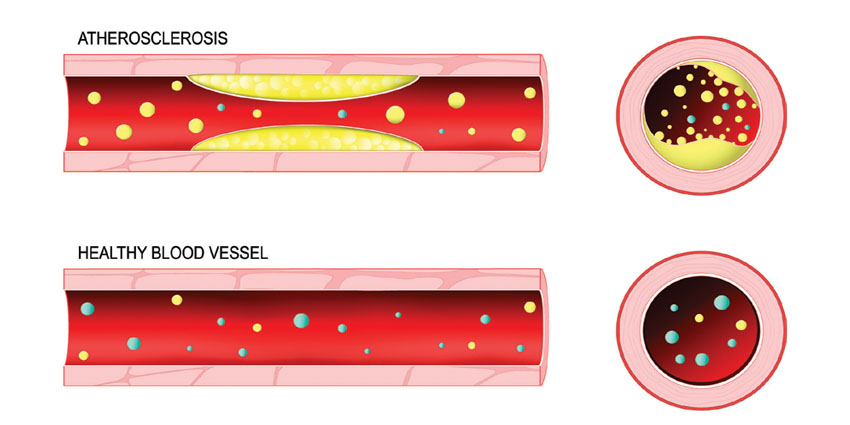
Abnormal cholesterol levels—such as high LDL (bad) cholesterol or low HDL (good) cholesterol—are considered major risk factors for both heart disease and stroke.
One of the most common causes of high cholesterol is an unhealthy diet rich in saturated fats, processed foods, and lack of exercise. In some cases, genetics also play a significant role, with high cholesterol running in families.
Adopting a low-cholesterol diet can help improve cholesterol levels, especially when combined with regular physical activity. However, if dietary changes alone fail to reduce LDL levels or raise HDL levels, it becomes important to consult with a primary healthcare provider to assess other treatment options.
Symptoms You Should Pay Attention To
-
Facial, hand, or foot swelling (edema) in the morning upon waking
-
Headaches with a sensation of heaviness or pulling, particularly at the back of the head
-
Blurred or bleary eyes, itchy ears, and frequent ringing in the ears (tinnitus)
-
Chest pain or pressure in the center of the chest, often with a stiff or tight feeling
-
Shortness of breath, palpitations, cold sweats, nausea, or dizziness after only mild physical activity
These symptoms may indicate poor circulation or blockages due to excess cholesterol in the blood vessels and should not be ignored.
Treatment Program
In Asian medicine, treatment focuses on restoring balance in the body while directly addressing blood vessel health.
A combination of acupuncture and herbal remedies is used to:
-
Lower LDL (bad) cholesterol levels
-
Support HDL (good) cholesterol production
-
Enhance blood circulation
-
Break down and remove waste or buildup in and around the blood vessels
This approach not only helps improve cholesterol levels but also supports overall cardiovascular health and prevents further complications.
